How Sustainable WASH Projects in Ghana Improve Health, Education and Community Resilience
WASH Projects in Ghana: Practical Community Solutions
What Are WASH Projects in Ghana?
WASH projects in Ghana improve access to water, sanitation, and hygiene through boreholes, toilets, handwashing facilities, education and community maintenance. Serene Future Foundation supports practical WASH solutions that protect health, strengthen school participation, restore dignity and help communities manage essential facilities sustainably through local ownership and transparent partnerships.
Clean water is the beginning of dignity, health and opportunity. Yet providing a water facility alone does not solve every challenge. A community may have a borehole but lack a repair system. A school may have toilets without water, soap, privacy or safe waste disposal.
This is why strong WASH projects connect infrastructure with education, behavior change, maintenance and community responsibility.
Why Must Ghana Treat WASH as a Community Development Issue?
Water, sanitation and hygiene affect nearly every part of community life. When families cannot access safe water or hygienic sanitation, the effects may reach health, education, household income, women’s safety and children’s wellbeing.
Women and girls may spend valuable time collecting water. Children may struggle to participate fully in school when toilets and handwashing facilities are inadequate. Health facilities, local businesses and households also depend on reliable water and sanitation services.
| WASH challenge | Everyday community effect | Practical solution |
|---|---|---|
| Distant or unreliable water sources | Time lost collecting water | Borehole drilling, rehabilitation or improved water systems |
| Broken water facilities | Return to unsafe alternatives | Maintenance plans and trained local repair teams |
| Inadequate school toilets | Reduced privacy and dignity | Safe, gender-sensitive and accessible toilets |
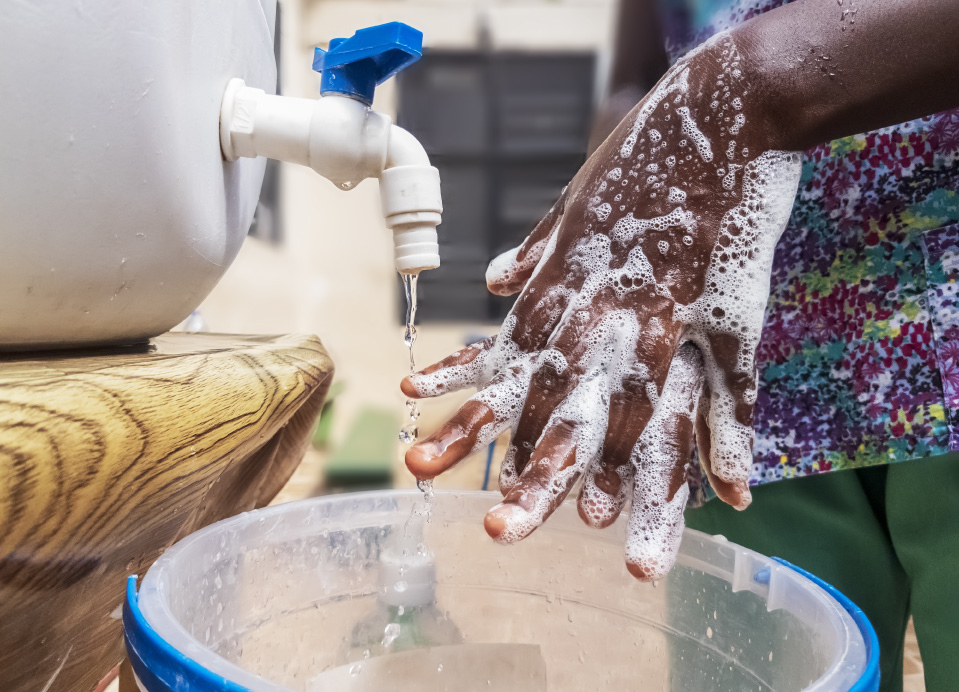
| Limited handwashing facilities | Poor hygiene practices | Handwashing stations with water, soap and education |
| Weak community ownership | Facilities deteriorate quickly | Local WASH committees and transparent management |
| Poor waste disposal | Unclean and unsafe surroundings | Sanitation education and community cleanup systems |
What Should a Sustainable WASH Project Include?
An effective project should begin by listening to the people who will use and maintain the facilities.
A typical WASH project may include:
- A community needs assessment
- Water source and site assessment
- Borehole drilling or rehabilitation
- Water quality testing
- Toilets and handwashing stations
- Safe water storage education
- School and community hygiene campaigns
- Training for a local WASH committee
- A maintenance and repair plan
- Monitoring, documentation and community feedback
What makes this model sustainable is the connection between physical facilities and local responsibility.
How Do WASH Projects Support Schools?
School WASH programmes can help create safer, cleaner and more inclusive learning environments.
A school-based programme may include:
- Reliable water access
- Separate toilets for girls and boys
- Accessible facilities for children with disabilities
- Handwashing stations with soap
- Menstrual health support for girls
- Emergency sanitary pad banks
- School hygiene clubs
- Student WASH ambassadors
- Safe waste collection and disposal
- Teacher and parent engagement
A stronger model also connects WASH education with menstrual health, environmental responsibility and student leadership.
What Innovative WASH Solutions Can Communities Use?
WASH projects do not always need to follow a single model. Solutions should reflect local conditions, population size, water availability and maintenance capacity.
Community WASH Hubs
A community WASH hub may combine safe water access, toilets, handwashing facilities, hygiene information and a trained local management team in one accessible location.
School Hygiene Clubs
Students can lead handwashing demonstrations, sanitation campaigns and peer education. This helps turn hygiene into a daily habit rather than a one-time lesson.
Borehole Maintenance Funds
Community members and partners can establish a transparent maintenance fund for routine servicing, replacement parts and urgent repairs.
Digital Monitoring Systems
Simple digital records can track water facility condition, repairs, usage, hygiene sessions and community feedback. This can strengthen accountability for donors and local leaders.
Women and Youth WASH Committees
Women and young people can play meaningful roles in decision-making, monitoring, hygiene education and facility management.
How Can Serene Future Foundation Support WASH Projects?
Serene Future Foundation is positioned to be a practical change maker because its approach connects community listening, useful infrastructure, education, partnerships and sustainability.
As a nonprofit foundation in Ghana, the foundation aims to support:
- Borehole projects in underserved communities
- Borehole repairs and rehabilitation
- School water access
- Handwashing stations
- Hygiene and sanitation education
- Community WASH campaigns
- Safe water storage education
- Local water maintenance committees
The foundation works to build healthier, cleaner, skilled and climate-resilient communities through practical and dignity-centred action.
How Can Donors, CSR Teams and Partners Help?
Donors, companies, ESG departments, churches, diaspora groups, schools, NGOs and volunteers can support different parts of a WASH intervention.
Partners can support:
- Community and school assessments
- Borehole construction or rehabilitation
- Water quality testing
- Toilets and handwashing facilities
- Hygiene education materials
- Menstrual-friendly school WASH facilities
- Maintenance training
- Monitoring and transparent reporting
- Community WASH committees
For donors, this creates a practical pathway to support visible infrastructure while strengthening health, education, dignity and local ownership.
Why Partner With a Nonprofit Foundation in Ghana?
Working with a Ghana-based foundation helps connect donor support with community realities, local voices and culturally appropriate solutions.
Serene Future Foundation helps connect community needs with practical solutions, community ownership and transparent partnerships. Its work is rooted in dignity, impact, sustainability and responsible engagement.
When supported well, a WASH project can move from a one-time installation into a lasting community service.
Building Healthier and Cleaner Communities Through WASH
Sustainable WASH projects in Ghana are not only about constructing boreholes or toilets. They are about protecting health, restoring dignity, supporting education and giving communities the systems needed to maintain progress.
Serene Future Foundation welcomes donors, sponsors, CSR and ESG teams, churches, diaspora groups, development organizations and volunteers who want to support meaningful water and sanitation projects in Ghana.
Partner with us to fund a borehole, repair a broken water facility, support a school WASH programme or provide hygiene education. Contact partner@serenefuture.org to help build healthier, cleaner and more resilient communities, one project, one life and one community at a time.
Frequently Asked Questions
What does WASH mean?
WASH means water, sanitation and hygiene. WASH projects combine safe water access, hygienic sanitation facilities and education that promotes healthy daily practices.
What are common WASH projects in Ghana?
Common projects include boreholes, borehole repairs, school toilets, handwashing stations, hygiene education, safe water storage and community sanitation campaigns.
Why is hygiene education important in WASH projects?
Infrastructure provides access, but education helps people use facilities safely, wash their hands correctly, store water properly and maintain clean surroundings.
How can donors support WASH projects in Ghana?
Donors can sponsor assessments, water systems, toilets, school facilities, hygiene programmes, maintenance training, monitoring and community management structures.
What makes a borehole project sustainable?
A sustainable borehole project includes water testing, community training, a maintenance committee, a repair plan, transparent management and regular monitoring.
Can companies sponsor school WASH programmes?
Yes. Companies can support school water access, toilets, handwashing stations, menstrual-friendly facilities, hygiene clubs and project monitoring through CSR or ESG programmes.
Support sustainable WASH projects in Ghana through Serene Future Foundation. Contact partner@serenefuture.org to sponsor a borehole, school sanitation facility, hygiene campaign or community maintenance programme.