
Tree Planting and Climate Education for Young People in Ghana
Tree Planting and Climate Education for Young People in Ghana
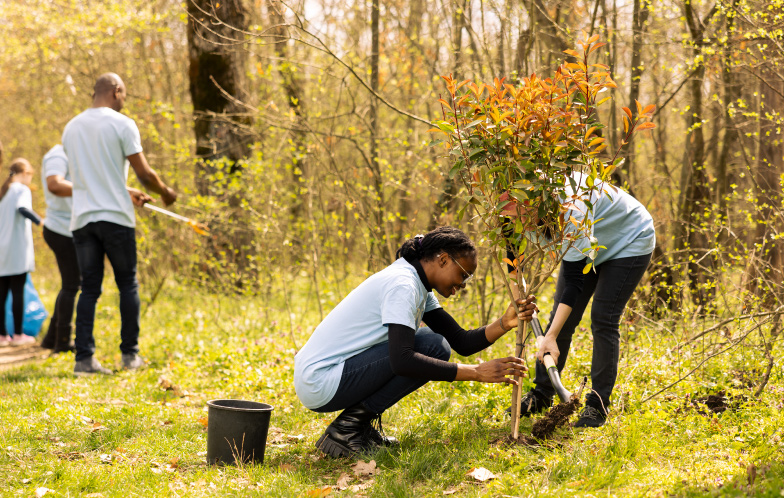
A young person who plants a tree and understands why it matters learns more than an environmental lesson. They begin to see how their choices can shape the future of their school, neighbourhood and community. Tree planting and climate education in Ghana can give young people practical ways to understand climate challenges and respond to them. Serene Future Foundation, a nonprofit foundation in Ghana, aims to connect environmental learning with action, leadership and community responsibility.
Why Do Tree Planting and Climate Education Matter for Young People in Ghana?
Tree planting and climate education in Ghana can help young people understand climate change while giving them practical ways to protect their environment. Serene Future Foundation aims to combine tree growing, school environmental clubs, climate education and youth participation so that young people do not only learn about environmental problems but also help build solutions.
Climate change can sometimes feel too large or distant for a young person to understand.
But heat around a school compound is real. Waste in a community is visible. Changing rainfall affects families. Flooding, environmental degradation and pollution can influence health, learning and livelihoods.
Climate education becomes stronger when young people can connect these issues with what they see around them every day.
Why Must Ghana Treat Youth Climate Education as a Community Development Issue?
Environmental challenges do not exist separately from human wellbeing.
When communities experience poor waste management, changing rainfall, heat or environmental degradation, the effects can reach households, schools, farmers, local businesses and young people.
That means climate education should go beyond teaching definitions.
| Challenge | What young people may observe | Practical response |
|---|---|---|
| Loss of trees and shade | Hotter school and community spaces | Tree planting and long-term tree growing |
| Poor waste practices | Plastic and litter in public areas | Recycling and environmental education |
| Limited climate knowledge | Young people may not understand local environmental risks | School climate education |
| One-time planting events | Trees may die without follow-up | Student monitoring and care teams |
| Low youth participation | Climate action feels like an adult issue | Youth climate ambassadors and environmental clubs |
Why Is Tree Growing Stronger Than Tree Planting Alone?
Planting a tree is an important beginning. Keeping it alive is where sustainability starts.
A stronger model should ask:
- Who will water the tree?
- Who will monitor its growth?
- Who will protect it from damage?
- What happens during dry periods?
- How will young people record progress?
A typical project may therefore combine tree planting with student care teams, environmental clubs, simple monitoring tools and periodic follow-up.
This changes the focus from how many trees were planted to how responsibly trees are being grown and protected.
How Can Schools Make Climate Education Practical?
Schools can become important centres for environmental learning and action.
A school-based programme may include:
- environmental clubs;
- climate change education;
- tree planting and monitoring;
- recycling and plastic waste lessons;
- cleanup exercises;
- climate quizzes and discussions;
- youth ambassador programmes;
- community awareness activities;
- student-led sustainability projects.
For example, students might plant trees around an appropriate school space, assign small teams to monitor them and document growth over time.
The same students can learn why trees matter, how waste affects their surroundings and how individual behaviour contributes to healthier communities.
When supported well, climate education moves from a classroom topic into a community habit.
How Can Climate Education Build Youth Leadership?
Young people should not be treated only as recipients of environmental information.
They can become participants, volunteers, communicators and future community leaders.
A stronger youth climate programme can teach participants how to:
- communicate environmental messages;
- organise community activities;
- work in teams;
- document environmental projects;
- speak about local climate challenges;
- mobilise peers;
- take responsibility for planted trees;
- lead school or community cleanup campaigns.
This creates a natural connection between climate action in Ghana and youth empowerment in Ghana.
Environmental programmes can become spaces where young people develop leadership, communication, teamwork and community service skills while responding to real local challenges.
How Can Serene Future Foundation Support Young People Through Climate Action?
Serene Future Foundation’s Climate Action, Sustainability & Clean Energy focus includes tree planting and tree growing, recycling education, community cleanups, school environmental clubs, climate change education and community sustainability campaigns.
Its Youth Skills & Future Readiness work also includes leadership development, communication, volunteer leadership and community service training.
Bringing these areas together creates an opportunity for an integrated model.
A typical Serene Future Foundation youth climate intervention may include:
- Community or school listening to understand environmental priorities.
- Climate education explaining local challenges in practical language.
- Tree planting and growing with clear care responsibilities.
- Youth leadership roles through clubs or ambassador programmes.
- Community action such as cleanups or environmental awareness.
- Monitoring to follow tree survival and youth participation.
- Documentation and follow-up to strengthen accountability and learning.
Serene Future Foundation is positioned to be a practical change maker because its approach is rooted in listening, action, partnership, measurement and sustainability.
How Can Donors, CSR and ESG Partners Support Youth Climate Projects?
Companies, foundations, schools, churches, diaspora groups, development organisations and individual donors can help young people participate meaningfully in climate action.
Partners can support:
- tree seedlings and planting materials;
- tree care and monitoring tools;
- climate education materials;
- school environmental clubs;
- youth climate ambassador programmes;
- recycling education;
- community cleanup activities;
- volunteer mobilisation;
- environmental leadership training;
- project documentation and follow-up.
For corporate partners, this creates a practical pathway to connect CSR or ESG priorities with youth development, environmental education and community participation.
What Makes a Youth Climate Project Sustainable?
Sustainability requires more than an exciting launch day.
An effective project should have clear responsibilities, follow-up activities and simple indicators.
Depending on the intervention, the foundation may aim to track indicators such as:
- young people participating;
- climate education sessions delivered;
- trees planted and monitored;
- environmental clubs supported;
- cleanup activities organised;
- youth volunteers engaged;
- follow-up activities completed.
The purpose of measurement is not to create impressive numbers. It is to understand whether the project is being implemented responsibly and whether young people remain engaged.
Final Thoughts: Help Young People Grow the Future They Will Inherit
Young people will live with the environmental decisions communities make today.
They therefore deserve more than warnings about climate change. They need knowledge, practical tools and opportunities to participate in solutions.
A tree can become a lesson in responsibility. A school environmental club can become a leadership platform. A cleanup can become a conversation about behaviour. Climate education can help a young person understand that protecting the environment also protects lives, learning and livelihoods.
Serene Future Foundation welcomes donors, CSR and ESG teams, schools, churches, diaspora organisations, companies, volunteers and development partners who want to support tree planting and climate education in Ghana. Partner with us to sponsor trees, establish school environmental clubs, support youth climate ambassadors or fund a complete community sustainability programme. Contact partner@serenefuture.org to help young people build cleaner, greener and more climate-resilient communities, one project, one life and one community at a time.
Frequently Asked Questions
Why is climate education important for young people in Ghana?
Climate education can help young people understand environmental challenges, develop responsible habits and participate in practical community solutions.
How can tree planting help schools and communities in Ghana?
Tree planting can support environmental restoration, shade and environmental awareness, especially when planting is followed by proper care and monitoring.
What is the difference between tree planting and tree growing?
Tree planting focuses on putting seedlings in the ground. Tree growing includes the longer-term responsibility of watering, protecting, monitoring and maintaining trees after planting.
How can schools support youth climate action?
Schools can create environmental clubs, organise tree-growing programmes, teach recycling and climate awareness, and support student-led environmental projects.
What can donors fund in a youth climate project?
Donors can support seedlings, educational materials, school clubs, monitoring tools, youth ambassador programmes, cleanups, recycling education and project follow-up.
How can I partner with Serene Future Foundation?
Individuals and organisations can contact partner@serenefuture.org to discuss sponsorship, CSR or ESG collaboration, volunteering or support for youth climate and sustainability programmes.