Circular Economy Projects in Ghana: Turning Waste into Opportunity
How Can Circular Economy Projects in Ghana Turn Waste into Opportunity?
Circular economy projects in Ghana can turn waste into opportunity by reducing unnecessary consumption, separating materials at source, supporting repair and reuse, expanding recycling and creating reliable markets for recovered products. Success requires practical policies, local collection systems, youth enterprise, producer responsibility, public education and partnerships between government, communities, companies and nonprofit organisations.
In many Ghanaian communities, waste is treated as something to collect, transport and discard. A circular economy takes a different view: materials should remain useful for as long as possible.
A plastic bottle can become recycled material. Food waste can become compost. Broken electronics can be repaired or dismantled safely. Used clothing can be repaired, redesigned or resold. This transition can create cleaner communities, safer livelihoods and new opportunities for young people.
Serene Future Foundation is a nonprofit foundation in Ghana that supports practical climate action through recycling education, community cleanups, environmental clubs, tree growing and sustainability campaigns. Its approach connects community participation with measurable action and long-term ownership.
What Is a Circular Economy?
A circular economy is a system designed to prevent waste and keep products and materials in use.
It follows five practical principles:
- Reduce unnecessary consumption and packaging.
- Reuse products before replacing them.
- Repair damaged items where safe and economical.
- Recover materials through sorting, composting and recycling.
- Redesign products so they last longer and are easier to recycle.
Recycling is therefore one part of the circular economy, not the entire solution.
Why Must Ghana Treat Waste as a Development Issue?
Poor waste management affects drainage, flooding, public health, tourism, coastal communities and local livelihoods. It also represents lost economic value because recyclable materials are mixed with organic and hazardous waste.
| Waste challenge | Everyday impact | Circular solution |
|---|---|---|
| Mixed household waste | Valuable materials become contaminated | Separate waste at source |
| Plastic litter | Drains, streets and beaches become polluted | Deposit-return and collection systems |
| Food and market waste | Odour, methane and disposal pressure | Community composting |
| Broken electronics | Unsafe dismantling and toxic exposure | Licensed collection and repair centres |
| Limited recycling markets | Collectors struggle to earn stable incomes | Procurement guarantees for recycled products |
| Low public awareness | Households continue harmful disposal habits | School and community education |
This is the kind of development leadership Ghana needs: practical, people-centred and rooted in everyday community realities.
Which Existing Policies Can Support Ghana’s Circular Economy?
Ghana already has important foundations on which stronger circular economy programmes can be built.
National Plastics Management Policy
Ghana’s National Plastics Management Policy seeks to coordinate public and private action against plastic pollution. It supports recovery, recycling, innovation, public education and movement towards a circular plastics economy. The policy notes that much of Ghana’s plastic waste could potentially be recovered using available technologies.
Hazardous and Electronic Waste Regulation
The Hazardous and Electronic Waste Control and Management Act, 2016, Act 917, together with Legislative Instrument 2250, provides a framework for collecting, transporting, dismantling and recycling electronic waste more responsibly.
Ghana National Plastic Action Partnership
Ghana’s plastic action partnership was established to bring government, businesses and civil society together, develop a national roadmap, support investment and reduce plastic leakage into the environment.
The major challenge is not simply the absence of policies. It is translating policy into convenient collection systems, clear incentives, enforcement, financing and community participation.
What Additional Circular Economy Policies Should Ghana Adopt or Strengthen?
1. Mandatory waste separation
Metropolitan, municipal and district assemblies should introduce phased source-separation requirements.
Households and businesses could begin with three categories:
- Organic waste
- Dry recyclables
- Residual and hazardous waste
The policy should be introduced gradually, supported by colour-coded bins, education and reliable collection.
2. Extended producer responsibility
Producers and importers should carry greater responsibility for packaging and products after use.
A stronger system could require companies to:
- Register packaging placed on the market
- Finance collection and recycling
- Meet recovery targets
- redesign difficult-to-recycle packaging
- Publish annual recovery information
3. Deposit-return systems
Consumers could pay a small refundable deposit when buying drinks in selected containers and recover it when the container is returned.
This creates a financial reason not to litter and helps recyclers receive cleaner materials.
4. Green public procurement
Government institutions, schools and assemblies should be encouraged to purchase safe products made with recycled or locally recovered materials.
Public procurement can create the predictable demand that recycling businesses need.
5. Repair and reuse incentives
Tax relief, workspace and technical training could be provided to businesses involved in:
- Electronic repair
- Furniture restoration
- Textile redesign
- Tool refurbishment
- Spare-parts recovery
- Reusable packaging systems
6. Formal recognition of waste workers
Informal collectors already recover valuable materials. Policies should help organise, train and protect them rather than remove them from the value chain.
Support could include identification, protective equipment, fair pricing systems, health education and links to licensed recyclers.
7. Reliable waste data
Assemblies and licensed operators should record:
- Waste generated
- Materials collected
- Recycling rates
- Organic waste composted
- Residual waste disposed
- Jobs created
- Participating households and businesses
Without credible data, it is difficult to plan infrastructure or measure progress.
Which Circular Economy Projects Can Work Practically in Ghana?
Community recycling hubs
A community hub could receive sorted plastic, aluminium, paper, glass and selected electronic items.
A typical project may include:
- A secure collection site
- Digital or paper weighing records
- Transparent prices
- Protective equipment
- Partnerships with licensed processors
- Youth and women-led management teams
- Monthly environmental education
Market composting projects
Markets generate significant quantities of organic material. Traders could separate fruit, vegetable and other compostable waste for processing into soil conditioners.
The model should begin with a waste audit, an agreed collection route and confirmed demand from farmers or landscapers.
School circular economy clubs
A school-based programme may include:
- Waste separation stations
- Plastic and paper collection days
- Repair and upcycling activities
- Environmental debates
- Student recycling ambassadors
- Community cleanup exercises
- Waste measurement competitions
The objective should be lasting behaviour change, not simply one cleanup event.
Youth repair and innovation labs
Young people could receive practical training in electronic diagnostics, safe repair, furniture restoration, textile redesign and digital inventory management.
This combines climate action with youth skills training and enterprise development.
Community refill systems
Shops and producers could test refill models for selected household products. Customers would reuse approved containers rather than purchasing new packaging each time.
The system would require hygiene standards, traceability and affordable pricing.
How Should Ghana Implement Circular Economy Projects?
A practical seven-step model
- Conduct a waste audit: Identify what materials are generated, where they come from and who currently handles them.
- Choose one material stream: Begin with plastic, organic waste, textiles or electronics rather than trying to solve everything at once.
- Confirm the buyer: A project should know who will purchase or use recovered materials before collection begins.
- Design the collection system: Select bins, routes, schedules and responsible operators.
- Train participants: Include sorting, safety, recordkeeping and business skills.
- Pilot before expanding: Test the model in one market, school or community.
- Measure and improve: Track volumes, participation, income, costs and contamination.
What Should Circular Economy Projects Measure?
| Indicator | What it shows |
| Kilograms of material collected | Scale of recovery |
| Percentage correctly separated | Quality of participation |
| Material sold or processed | Actual diversion from disposal |
| Income generated | Economic value |
| Participants trained | Capacity developed |
| Active households or schools | Community adoption |
| Jobs or enterprises supported | Livelihood contribution |
| Cost per kilogram recovered | Operational efficiency |
| Repeat participation rate | Sustainability |
| Cleanup sites remaining clean | Behaviour change |
Projects should not report collection alone. They should confirm where the material went and how it was reused, composted or recycled.
How Can Serene Future Foundation Support Circular Economy Action?
Serene Future Foundation can help connect community needs with practical climate and sustainability interventions.
A partnership may include:
- Community waste assessments
- Recycling and plastic education
- School environmental clubs
- Cleanup and sorting campaigns
- Youth recycling ambassadors
- Community collection pilots
- Digital documentation
- Volunteer mobilisation
- Monitoring and partner reports
- Community ownership structures
The foundation works to listen, act, partner, measure and sustain impact. It welcomes companies, ESG teams, assemblies, schools, recyclers, donors, volunteers and diaspora groups interested in community-based sustainability projects.
Frequently Asked Questions
What are circular economy projects in Ghana?
They are projects that prevent waste and keep materials useful through reduction, reuse, repair, composting, recycling and responsible recovery.
Can circular economy projects create jobs?
Yes. Potential opportunities include collection, sorting, repair, composting, processing, logistics, product design and environmental education.
What is the best circular economy project for a community?
The best project depends on the local waste audit, available infrastructure and confirmed market. Communities should begin with one material that can be collected and processed reliably.
How can companies support recycling projects in Ghana?
Companies can fund collection infrastructure, purchase recycled products, support employee volunteering, provide technical expertise or sponsor community education and youth enterprise.
Why do some recycling projects fail?
Common reasons include poor sorting, unreliable collection, no confirmed buyer, weak recordkeeping, inadequate safety and dependence on one-time events.
Let Us Turn Waste into Opportunity
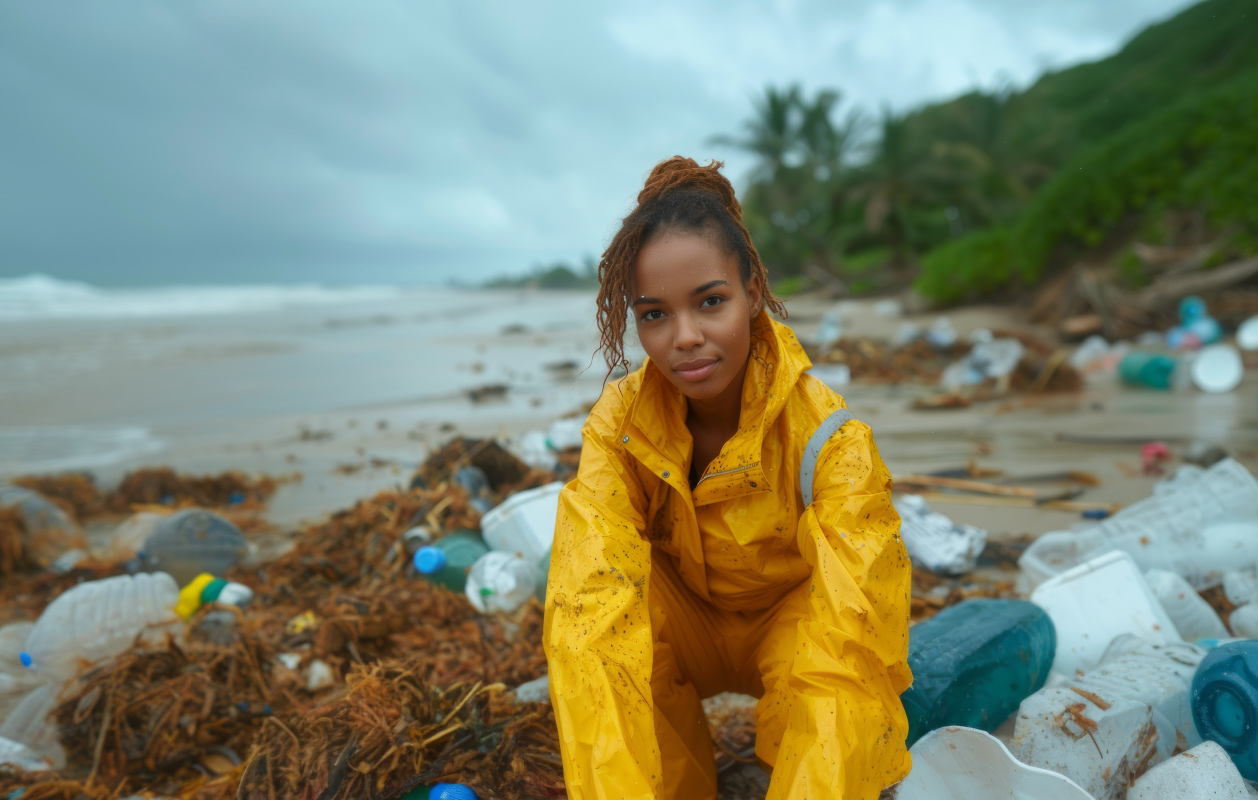
Waste should not continue blocking drains, polluting beaches and consuming valuable land when many materials can support jobs, products and cleaner communities.
Serene Future Foundation is positioned to support practical circular economy projects in Ghana through community education, school programmes, youth participation, recycling pilots and transparent partnerships.
Companies, donors, assemblies, institutions, recyclers, volunteers and development partners can sponsor a community recycling hub, school environmental club, market composting pilot or youth repair programme.
Partner with Serene Future Foundation to turn waste into opportunity and build cleaner, skilled and climate-resilient communities across Ghana. Contact partner@serenefuture.org.