Menstrual Health Projects in Ghana Help Girls Stay Confident in School
How Do Menstrual Health Projects in Ghana Help Girls Stay Confident in School?
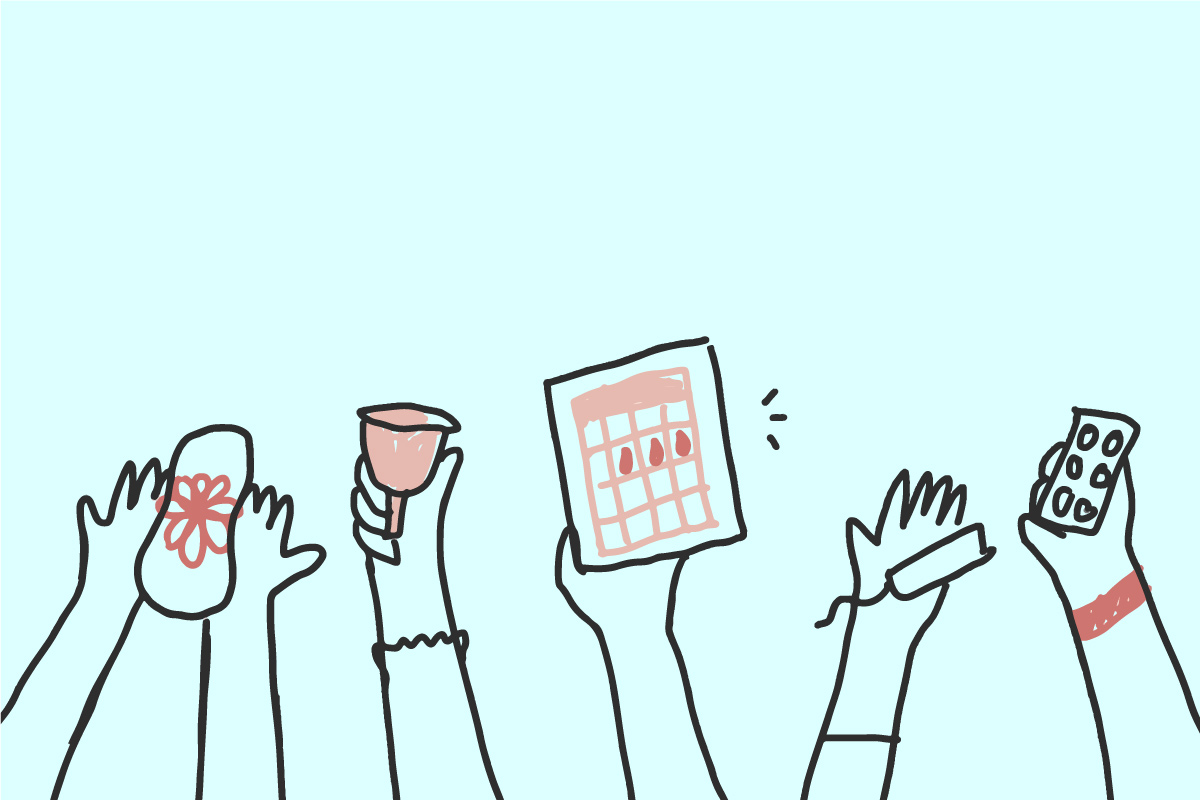
Menstrual health projects in Ghana help girls stay confident in school by combining menstrual health education, hygiene support, dignity kits, safe conversations and school-based awareness. Serene Future Foundation, a nonprofit foundation in Ghana, supports practical solutions that help girls understand their bodies, manage periods with dignity and participate more fully in learning.
Why Does Menstrual Health Matter for Girls’ Education in Ghana?
Menstruation should never make a girl feel ashamed, afraid or excluded from school. Yet in many communities, girls still face silence, teasing, limited access to sanitary products, poor hygiene facilities and misinformation about their bodies.
When a girl is not prepared for her period, a normal monthly experience can become a source of anxiety. She may avoid class, feel uncomfortable answering questions, miss sports, or stay home during her period. Over time, this can affect her confidence, learning and sense of belonging.
Menstrual health education in Ghana is therefore not only a health issue. It is also an education, dignity and community development issue.
Why Must Ghana Treat Menstrual Health as a Community Development Issue?
Girls do not learn in isolation. Their confidence is shaped by schools, homes, health systems, peers, faith communities and local leaders. When menstrual health is ignored, the burden often falls quietly on girls.
A stronger response should include:
- Age-appropriate menstrual health education
- Access to sanitary pads or reusable pad education
- Safe hygiene practices
- Supportive teachers and school leaders
- Parent and community conversations
- Dignity kits for girls who need support
- Clean water, sanitation and handwashing facilities where possible
This is why menstrual health projects in Ghana must be designed as practical community impact projects, not one-time donations alone.
What Challenges Do Girls Face During Their Periods?
| Challenge | Everyday Impact on Girls | Practical Solution |
|---|---|---|
| Lack of menstrual knowledge | Fear, shame and confusion | School-based menstrual health education |
| Limited access to pads | Discomfort and missed school days | Dignity kits and reusable pad awareness |
| Stigma and teasing | Low confidence and silence | Boys’ awareness sessions and teacher support |
| Poor hygiene facilities | Health and dignity concerns | WASH-linked school support |
| Lack of trusted guidance | Girls struggle alone | Mentorship circles and safe school clubs |
What Can a Strong Menstrual Health Project Include?
A typical project may include a school session where girls learn about puberty, menstrual hygiene, body confidence and safe product use. It may also include dignity kits with sanitary pads, soap, underwear and simple educational materials.
A stronger model can go further by creating:
School Girls’ Dignity Clubs
These clubs can give girls a safe space to ask questions, learn leadership and support one another.
Teacher and Parent Awareness Sessions
Teachers and parents can help reduce stigma when they understand how to speak about menstruation with care and respect.
Reusable Pad Education
Where appropriate, girls can learn about reusable options, proper washing, drying, storage and hygiene.
WASH-Linked Support
Menstrual health is stronger when connected to water, sanitation and hygiene. Handwashing stations, clean toilets and safe disposal education can protect dignity and health.
Monitoring and Learning
An effective project should track attendance patterns, participation, feedback from girls and the availability of basic menstrual hygiene supplies.
How Can Serene Future Foundation Support Girls’ Confidence?
Serene Future Foundation is positioned to be a practical change maker because its work is rooted in dignity, community listening, practical action, partnership and sustainability.
As an NGO in Ghana focused on women, girls and children’s health, the foundation can support menstrual health projects in Ghana through:
- Menstrual health education for schoolgirls
- Dignity kit distribution where needed
- Reusable pad education and awareness
- School-based hygiene education
- Community conversations on sensitive health issues
- Partnerships with schools, donors, churches, CSR teams and volunteers
The foundation’s goal is to help girls feel informed, protected and confident enough to stay active in school and community life.
How Can Donors, CSR Teams and Volunteers Get Involved?
For donors and partners, menstrual health creates a practical pathway to support education, dignity and women and children’s health in Ghana.
Partners can support:
- Dignity kits for schoolgirls
- Menstrual health education sessions
- Teacher training and parent engagement
- School WASH improvements
- Girls’ confidence clubs
- Monitoring, reporting and follow-up visits
When supported well, this kind of project can move from a one-time activity into a lasting school habit.

Menstrual health projects in Ghana help girls stay confident in school because they address more than periods. They address silence, stigma, access, dignity and opportunity.
Serene Future Foundation believes health, dignity and confidence should never be out of reach. With the right partners, donors, schools, churches, diaspora groups, CSR teams and volunteers, we can support girls with practical education, dignity kits and safer school environments.
Partner with Serene Future Foundation to support menstrual health projects in Ghana and help build healthier, cleaner, skilled and climate-resilient communities, one project, one life and one community at a time. To support, donate, volunteer or sponsor a project, contact partner@serenefuture.org.
Frequently Asked Questions
What are menstrual health projects in Ghana?
Menstrual health projects in Ghana are community or school-based initiatives that provide menstrual education, hygiene support, dignity kits and awareness to help girls manage their periods safely and confidently.
Why is menstrual health education important for schoolgirls?
Menstrual health education helps girls understand their bodies, reduce fear and shame, improve hygiene practices and participate more confidently in school.
How do dignity kits help girls in Ghana?
Dignity kits may include sanitary pads, soap, underwear and educational materials. They help girls manage their periods with greater comfort, privacy and confidence.
Can donors support menstrual health projects in Ghana?
Yes. Donors can support dignity kits, school education sessions, reusable pad awareness, WASH-linked support and monitoring for community impact projects in Ghana.
Why should schools talk openly about menstruation?
Schools should talk about menstruation because silence can increase shame and misinformation. Safe education helps girls feel supported and helps boys learn respect.
Support Serene Future Foundation through partnership, donation, volunteering or project sponsorship. Together, we can help girls stay confident in school through menstrual health education, dignity support and practical community impact projects in Ghana.