WASH Projects in Ghana Improve Rural Communities
WASH Projects in Ghana: How Clean Water, Sanitation and Hygiene Improve Rural Communities
How Do WASH Projects in Ghana Improve Rural Communities?
WASH projects in Ghana improve rural communities by expanding access to clean water, strengthening sanitation, promoting handwashing and supporting safer hygiene habits. Serene Future Foundation, a nonprofit foundation in Ghana, helps connect community needs with practical WASH solutions that protect health, restore dignity, support school attendance and build stronger local ownership.
Why Do Clean Water, Sanitation and Hygiene Matter in Rural Ghana?
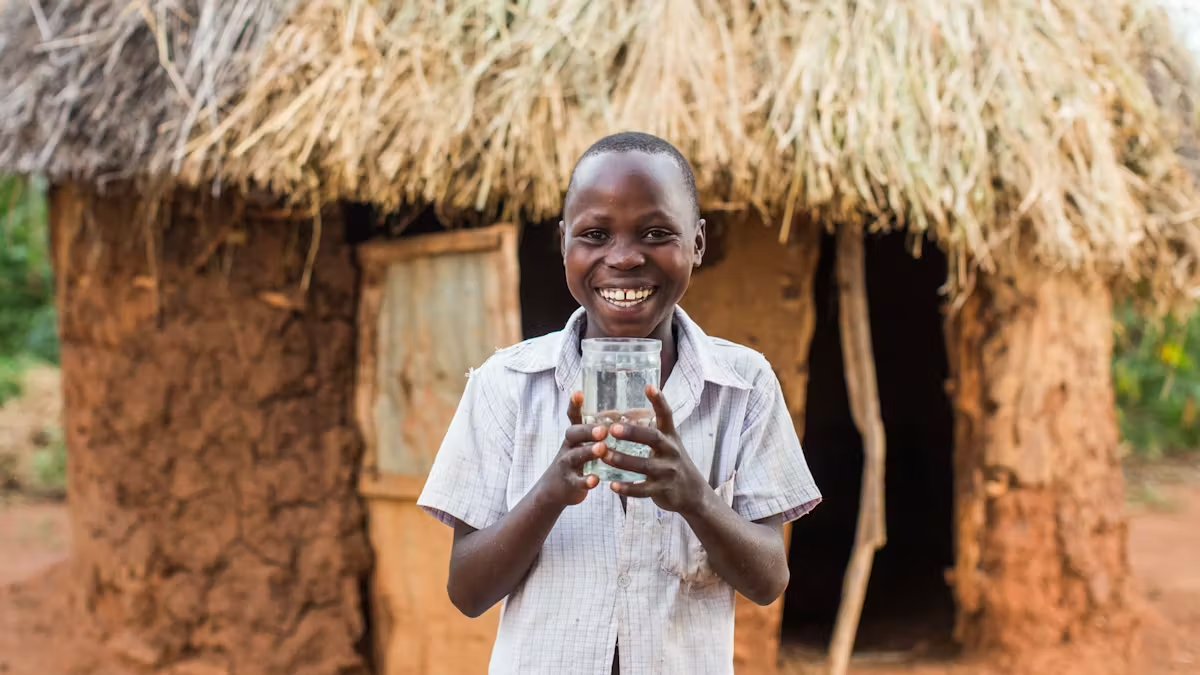
Clean water is the beginning of dignity, health and opportunity. In many rural communities, families may spend valuable time searching for water, schools may struggle without reliable handwashing points, and households may face hygiene challenges that affect daily wellbeing.
WASH is not only about infrastructure. It is about the way people live every day. When a community has safer water, better sanitation and practical hygiene education, children can attend school with more confidence, women and girls can save time, health risks may reduce, and community life becomes more dignified.
For rural Ghana, WASH projects in Ghana are community development projects. They support health, education, productivity and long-term resilience.
Why Must Ghana Treat WASH as a Community Development Issue?
Water, sanitation and hygiene affect almost every part of community life. A weak WASH environment can affect households, schools, health facilities, farmers, women, children and local businesses.
A stronger WASH response should include:
- Safe and reliable water access
- Borehole drilling, repairs or rehabilitation where needed
- Handwashing stations in schools and public spaces
- Hygiene and sanitation education
- Safe water storage education
- Community WASH campaigns
- Local maintenance committees
- Monitoring systems that track use, repairs and community feedback
When supported well, WASH projects can move from one-time construction into lasting community habits.
What Community Challenges Do WASH Projects Address?
| WASH Challenge | Everyday Impact | Practical Solution |
|---|---|---|
| Limited clean water access | Long walks, time loss and daily stress | Borehole projects in Ghana and safe water points |
| Broken water systems | Communities return to unsafe sources | Borehole repairs and local maintenance plans |
| Poor handwashing habits | Higher hygiene risks at home and school | Handwashing stations and hygiene education |
| Unsafe water storage | Clean water can become contaminated | Safe storage education and household awareness |
| Weak sanitation practices | Reduced dignity and poor environmental health | Community sanitation campaigns |
| No local ownership | Projects may fail after launch | Water committees and transparent reporting |
How Do WASH Projects Help Children and Schools?
Children feel the impact of WASH every day. A school without reliable water and hygiene facilities can make learning uncomfortable, especially for younger children and adolescent girls.
A school-based WASH programme may include handwashing stations, hygiene education, safe drinking water support, sanitation awareness and student WASH clubs. These clubs can help children become hygiene ambassadors who take good habits back home.
For girls, WASH also connects to dignity. Clean water and sanitation support menstrual health, confidence and participation in school. This makes WASH part of a broader women, girls and children’s health agenda.
How Do WASH Projects Support Women, Families and Local Livelihoods?
In many communities, women and girls often carry the daily burden of water collection. When water is closer and safer, families may save time and reduce stress. Mothers can use water more confidently for cooking, cleaning and childcare. Small businesses, farmers and local groups also benefit when communities have more reliable water access.
A practical community intervention can include:
- A water needs assessment
- Community leader engagement
- Borehole drilling or rehabilitation
- Safe water storage education
- Sanitation and hygiene training
- A local water maintenance committee
- Ongoing monitoring and reporting
What makes this solution sustainable is community ownership. People protect what they help build and understand.
What Can Serene Future Foundation Support?
Serene Future Foundation is positioned to be a practical change maker because the foundation listens, acts, partners, measures and sustains impact. As an NGO in Ghana focused on clean water, health and dignity, the foundation supports water and sanitation projects in Ghana that respond to real community needs.
A typical WASH project may include:
- Borehole drilling for underserved communities
- Borehole repairs and rehabilitation
- Water access for schools and rural communities
- School handwashing stations
- Hygiene and sanitation education
- Community WASH campaigns
- Safe water storage education
- Local water maintenance committees
The goal is to improve access to clean water, reduce water-related health risks, support school attendance, protect dignity and strengthen community wellbeing.
How Can Donors, CSR Teams and Partners Support WASH Projects in Ghana?
For donors, CSR teams, ESG departments, churches, schools, diaspora groups, embassies, volunteers and development partners, WASH creates a practical and measurable pathway to support rural communities.
Partners can support:
- Borehole projects in Ghana
- Borehole repairs in Ghana
- School WASH programmes
- Handwashing stations
- Hygiene education materials
- Community training sessions
- Water committee formation
- Monitoring, reporting and maintenance support
This type of partnership can connect resources to visible community needs while helping build healthier, cleaner and more resilient communities.
Why Work With a Nonprofit Foundation in Ghana?
Working with a nonprofit foundation in Ghana helps partners support projects that are rooted in local realities. Serene Future Foundation works to understand community needs, design practical interventions, welcome transparent partnerships and support sustainability through local ownership.
As a charity foundation in Ghana, Serene Future Foundation helps turn compassion into lasting community impact. The foundation’s work is rooted in dignity, transparency, partnership and measurable action.
Final Thoughts
WASH projects in Ghana are not only about water. They are about health, dignity, learning, safety, time, confidence and opportunity. When rural communities have clean water, sanitation support and hygiene education, families can live with greater dignity and children can learn in healthier environments.
Serene Future Foundation welcomes partners, donors, volunteers, CSR teams, ESG departments, churches, schools and diaspora groups who want to support meaningful community impact projects in Ghana.
Partner with Serene Future Foundation to support WASH projects in Ghana through boreholes, borehole repairs, school handwashing stations, hygiene education and sustainable community ownership. To donate, volunteer, sponsor a project or explore partnerships, contact partner@serenefuture.org.
Frequently Asked Questions
What are WASH projects in Ghana?
WASH projects in Ghana are water, sanitation and hygiene initiatives that improve clean water access, sanitation practices and hygiene education in communities, schools and public spaces.
Why are WASH projects important in rural communities?
WASH projects are important because clean water, sanitation and hygiene affect health, school attendance, dignity, productivity and overall community wellbeing.
How do borehole projects in Ghana support rural communities?
Borehole projects in Ghana can provide safer and more reliable water access for households, schools and rural communities, especially where existing water sources are far away or unsafe.
How can donors support WASH projects in Ghana?
Donors can support borehole drilling, borehole repairs, handwashing stations, hygiene education, safe water storage training, maintenance committees and project monitoring.
Why should WASH projects include hygiene education?
Hygiene education helps communities use water safely, practise handwashing, store water properly and build habits that protect health beyond the project launch. Support Serene Future Foundation through partnership, donation, volunteering or project sponsorship. Together, we can improve clean water access, sanitation and hygiene in rural communities through practical WASH projects in Ghana.